
 by
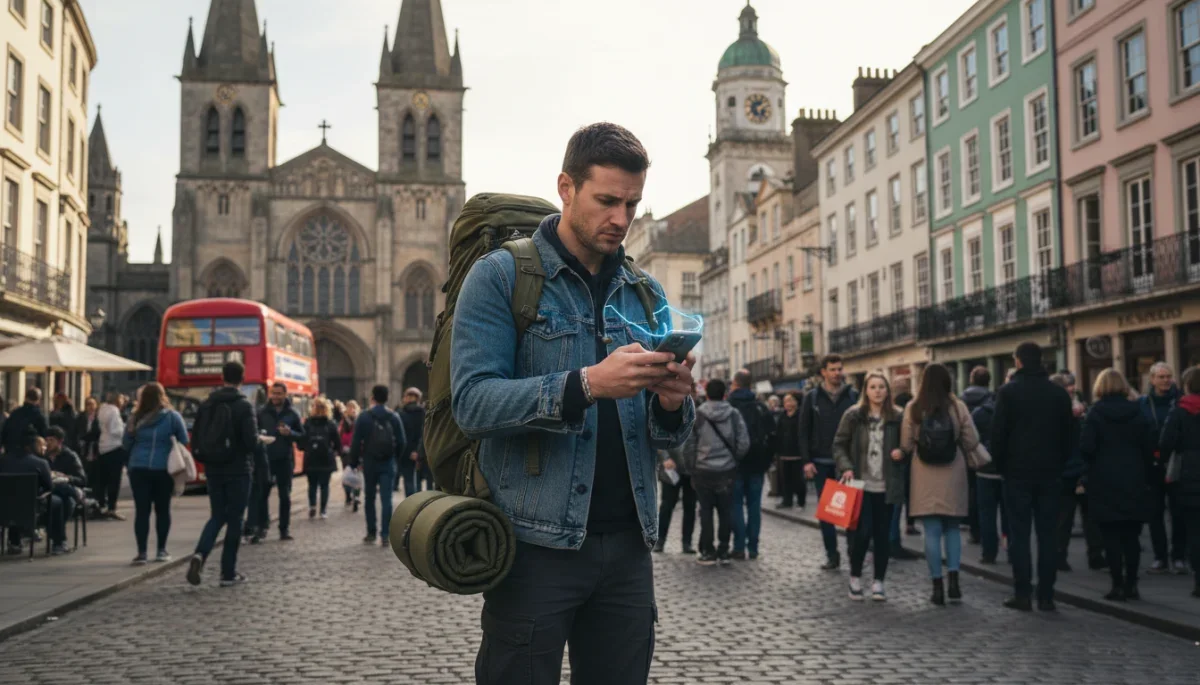
Exploring a new destination is exciting, but nothing ruins a great vacation faster than falling for an overpriced hustle or losing your wallet. Learning how to avoid travel scams protects your hard-earned money and keeps your itinerary on track. With a few basic street-smarts and preparation, you can easily outsmart local hustlers and bypass the worst tourist traps.
Spotting Common Street Hustles and Distractions
Most street-level con games rely on distraction and forced familiarity. A stranger might approach to tie a "free" friendship bracelet on your wrist, hand you a flower, or ask you to sign a charity petition, only to aggressively demand cash once you engage. Another common setup involves someone spilling liquid on your jacket or dropping an item at your feet, creating chaos while an accomplice picks your pockets.
To steer clear of these tricks, maintain situational awareness in crowded plazas and transit hubs. Keep your hands in your pockets or hold your bag in front of your body. If someone steps into your personal space uninvited, give a firm "no thank you," do not break stride, and keep moving toward a populated area.
How to Avoid Travel Scams at Transit Hubs and Taxis
Transportation hubs like airports, train stations, and cruise terminals are prime hunting grounds for rogue drivers. Unlicensed operators often loiter near baggage claims claiming that official taxi lines are closed or ride-hailing apps are banned. Once inside the car, they may refuse to turn on the meter or invent bogus baggage surcharges.
- Use official taxi stands: Always ignore freelance drivers inside the terminal and head directly to the designated airport taxi queue.
- Verify your rideshare: Match the vehicle make, license plate, and driver photo on your Uber or Lyft app before opening the door.
- Confirm the meter: If taking a traditional cab, insist that the driver turns on the meter before the car moves. If they claim it is broken, step out and find another taxi.
How to Spot and Bypass Overpriced Tourist Traps
Tourist traps drain your travel budget while delivering mediocre experiences. Restaurants positioned directly across from major monuments often feature multilingual picture menus, pushy greeters on the sidewalk, and hidden service fees. Souvenir stalls clustered around landmark entrances routinely sell mass-produced trinkets at a 300% markup.
To find better food and fair prices, walk at least three to four blocks away from major attractions. Seek out eateries filled with local patrons speaking the regional language. Before sitting down, check recent customer reviews on Google Maps and confirm that menu prices are clearly printed, including beverage costs.
Safeguarding Your Payments and Digital Data
Financial scams can happen without you ever speaking to a hustler. Standalone ATMs placed on busy streets or inside convenience stores are vulnerable to card skimmers. When making card purchases, cashiers may also run transactions in your home currency rather than the local currency, triggering poor exchange rates via dynamic currency conversion.
Always use ATMs physically located inside major bank branches during normal business hours. Whenever a card terminal gives you the choice to pay in USD or the local currency, choose the local currency to let your home bank handle the conversion rate. For online access, use a mobile hotspot or trusted VPN rather than open, password-free public Wi-Fi networks.
Quick Takeaways
- Never accept unsolicited "gifts" or stop for petitions in high-traffic tourist plazas.
- Stick to official airport taxi queues or verified rideshare apps, and ensure the meter runs.
- Dine a few blocks away from landmark centers and always choose local currency when paying with a credit card.
Frequently Asked Questions
What is the most common travel scam worldwide?
The distraction theft is the most widespread scam. A stranger spills something, offers unwanted help, or creates a scene while an accomplice quietly steals your wallet, phone, or bag in the confusion.
How do I know if an overseas taxi is legitimate?
Legitimate taxis usually feature distinct roof lights, official city license decals on the doors, and visible meters mounted on the dashboard. Avoid any driver who solicits you inside an airport or train terminal.
What should I do if I get scammed while traveling abroad?
Cancel compromised credit cards immediately through your banking app. File a formal report at the nearest local tourist police precinct to secure documentation for travel insurance claims and passport replacement if required.
Smart Planning Keeps You Safe
Staying vigilant does not mean you have to travel in fear. When you know how to avoid travel scams and recognize overpriced traps ahead of time, you can explore any destination with total confidence. Start researching your route today, pack a secure day bag, and enjoy an authentic trip without unwanted surprises.