
 by
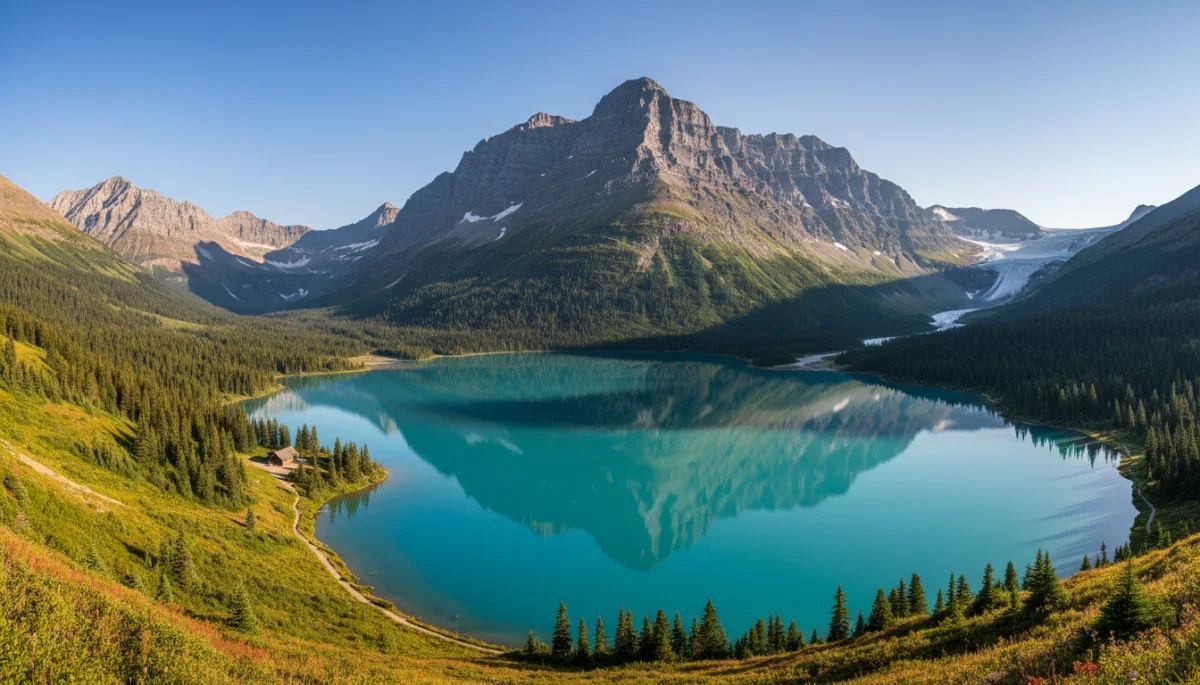
Late August and September offer one of the most rewarding windows for outdoor travel. High-elevation trails have finally melted out, daytime temperatures moderate, and seasonal crowds begin to taper off. If you want to experience the best U.S. national parks to visit in late summer, choosing northern and alpine destinations ensures comfortable conditions and open roads.
At a Glance: Top Late Summer Parks
Here is a quick look at where to head as the summer season winds down:
| National Park | Best For | Average Highs (°F) | Suggested Time |
|---|---|---|---|
| Glacier (Montana) | Alpine drives, glacial lakes | 70°F to 78°F | 3–4 Days |
| Mount Rainier (Washington) | Wildflowers, mountain views | 65°F to 72°F | 2–3 Days |
| Grand Teton (Wyoming) | Wildlife watching, boating | 70°F to 75°F | 3 Days |
| Acadia (Maine) | Ocean vistas, breezy carriage roads | 68°F to 74°F | 2–3 Days |
| Rocky Mountain (Colorado) | Tundra trails, early elk rut | 65°F to 75°F | 3–4 Days |
| Olympic (Washington) | Coastlines, lush rain forests | 65°F to 70°F | 3–4 Days |
Top Picks for a Late Summer Trip
Glacier National Park, Montana: Late summer is the prime window to drive the iconic Going-to-the-Sun Road with minimal risk of snow closures. High-altitude trails like Highline Trail offer unobstructed views across jagged peaks. Fly into Kalispell (FCA) and base yourself in Whitefish or West Glacier.
Mount Rainier National Park, Washington: Subalpine meadows around Paradise and Sunrise peak with late-season wildflowers throughout August. Clear skies make Mount Rainier visible for miles, and hiking conditions on trails like Skyline Trail are at their best. Stay in Ashford or Packwood for easy park entrance access.
Grand Teton National Park, Wyoming: With warm afternoons and crisp mornings, late summer is exceptional for kayaking Jenny Lake and hiking Cascade Canyon. Wildlife such as moose, bison, and elk become increasingly active as September nears. Jackson, Wyoming, provides convenient lodging and dining just south of the park.
Acadia National Park, Maine: New England coastal weather is pleasant in late August and early September. You can bike historic carriage roads without midsummer humidity or hike the Precipice Trail for sweeping Atlantic Ocean vistas. Bar Harbor serves as the main hub with walkable restaurants and seaside hotels.
Rocky Mountain National Park, Colorado: Trail Ridge Road takes you over 12,000 feet with clear, dry road conditions in late summer. By September, you can hear bull elk bugling in Moraine Park as the annual rut begins. Estes Park provides a great base on the eastern side.
Olympic National Park, Washington: August and September bring the driest weather of the year to the Pacific Northwest. Walk the drift-log shores of Rialto Beach, explore the Hoh Rain Forest, and take in the panoramic mountain views from Hurricane Ridge.
Practical Tips for Late Summer Park Travel
- Check vehicle reservations: Several popular parks require timed-entry permits or vehicle passes for key corridors through September. Verify current entry rules on Recreation.gov before booking.
- Pack versatile layers: Daytime temperatures may reach 75°F, but mountain mornings frequently drop into the 30s or 40s. Bring fleece layers, moisture-wicking shirts, and a windbreaker.
- Monitor air quality: Late summer coincides with peak wildfire season in the American West. Check official National Park Service alert pages and AirNow.gov for real-time smoke and fire updates.
Quick Takeaways
- Northern and high-elevation parks offer the best conditions to escape extreme summer heat.
- August and September provide the most reliable trail access as high mountain snowpacks are completely melted.
- Reserve vehicle permits and accommodations well in advance for high-demand areas like Glacier and Rocky Mountain.
Frequently Asked Questions
Which national park has the best weather in late summer?
Glacier and Mount Rainier offer mild daytime highs in the low 70s with minimal rainfall during August and early September, making them ideal for hiking and sightseeing.
Do I need reservations for national parks in late summer?
Yes, popular destinations such as Rocky Mountain and Glacier often require timed-entry vehicle reservations through Labor Day or late September. Always check the official NPS park page before your visit.
Is September a good time to visit national parks?
September is widely considered one of the best travel months. Crowds thin significantly after Labor Day, temperatures remain mild, and early fall colors begin appearing in high-altitude areas.
Plan Your Next Trip
Choosing the right destination makes all the difference when mapping out the best national parks late summer has to offer. Start locking in your campsite or lodge reservations now, pack your layers, and get ready to enjoy the trails before winter returns.