
 by
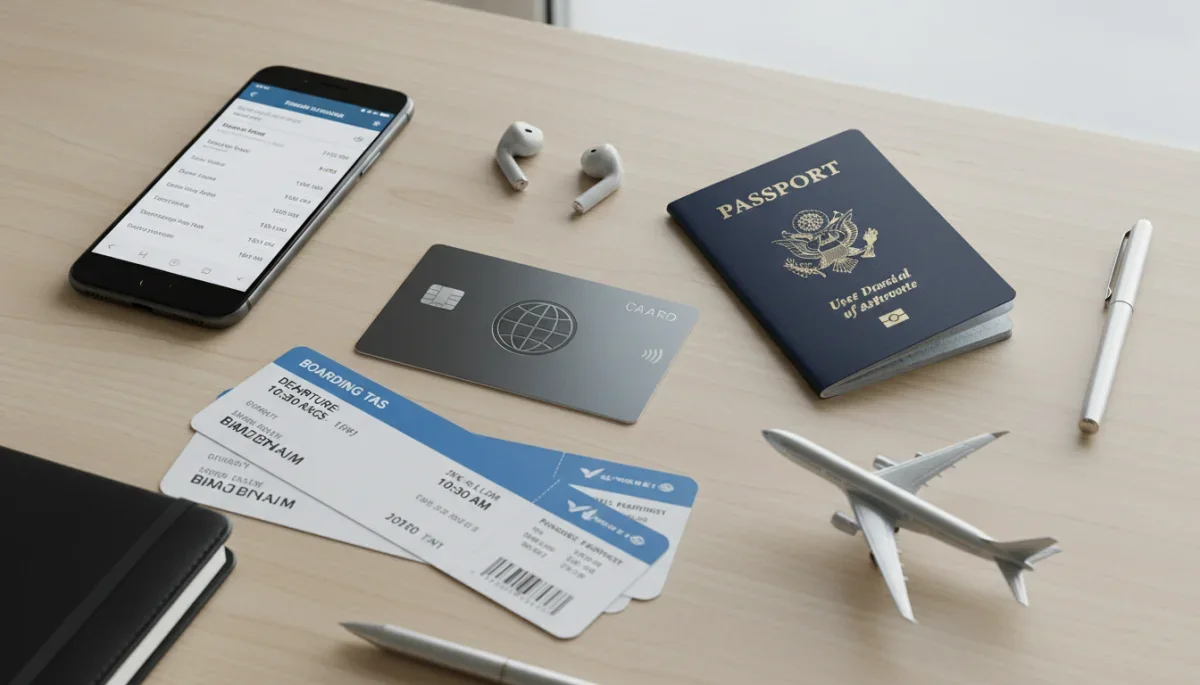
Traveling on rewards sounds incredible, but learning how to use credit card points and airline miles as a beginner can quickly feel overwhelming. Between confusing point valuations, partner alliances, and blackout dates, many people let their hard-earned rewards sit idle. This straightforward guide breaks down the basics so you can turn everyday spending into discounted flights and hotel stays with total confidence.
Understand the Types of Travel Rewards
Not all travel rewards work the same way. Before you make a plan, identify which category your rewards fall into:
- Transferable Bank Points: Programs like Chase Ultimate Rewards, American Express Membership Rewards, Capital One Miles, and Citi ThankYou. These offer the highest flexibility because you can move points directly to airline and hotel loyalty programs.
- Co-Branded Airline Miles: Earned with cards tied to specific carriers (such as Delta SkyMiles, United MileagePlus, or American AAdvantage). These are locked into that specific airline and its alliance partners.
- Fixed-Value Cash or Travel Credit: Simple cash-back cards where points have a fixed value (typically 1 cent each) applied directly against travel purchases.
How to Get the Best Value from Your Points
When you are ready to redeem, your method dictates how far your points will go. You generally have three main redemption routes:
| Redemption Method | Typical Value Per Point | Best Used For |
|---|---|---|
| Transfer Partners | 1.5¢ to 2.5¢+ | International flights, premium cabins, luxury hotels |
| Credit Card Travel Portals | 1.0¢ to 1.5¢ | Simple domestic flights, boutique hotels, budget airlines |
| Statement Credits / Cash | 0.5¢ to 1.0¢ | General non-travel expenses (lowest value) |
As a rule of thumb, transferring your points to airline partners like Virgin Atlantic, Air France-KLM Flying Blue, or World of Hyatt consistently delivers the highest redemption value.
Step-by-Step: Booking Your First Award Flight
Booking with miles requires a slightly different process than buying standard cash tickets. Follow this order to avoid costly errors:
- 1. Search award space first: Create a free loyalty account with the airline you want to fly. Search for available award seats on their website before moving any bank points over.
- 2. Compare the math: Check both the cash fare and the points requirement. If a $200 domestic flight costs 25,000 points plus $11.20 in taxes, paying cash or using a travel portal might make more sense.
- 3. Transfer only what you need: Point transfers are instantaneous in most cases, but they are strictly one-way. You cannot move airline miles back to your bank account.
- 4. Complete the booking immediately: Award seat inventory can disappear quickly, so confirm your flight reservation right after the transfer completes.
Common Beginner Mistakes to Avoid
The biggest pitfall is hoarding points for years. Loyalty programs regularly adjust their award pricing, which means points slowly lose value over time due to inflation. Earn them with specific trips in mind and spend them.
Additionally, never carry an unpaid balance on a rewards credit card. Interest charges average well over 20% APR, which will completely wipe out any value you gain from earned travel points.
Quick Takeaways
- Focus on transferable bank currencies for the greatest booking flexibility.
- Always find confirmed award seat availability before transferring points to an airline.
- Pay your credit card balances in full each month to keep your travel truly free.
Frequently Asked Questions
Do credit card points and airline miles expire?
Bank points do not expire as long as your account remains open in good standing. Airline and hotel miles vary; some never expire, while others require qualifying activity every 12 to 24 months.
Are credit card travel rewards taxable in the U.S.?
Points and miles earned through credit card spending and welcome bonuses are generally considered non-taxable rebates by the IRS. Rewards earned without spending requirements, such as referral bonuses, may occasionally trigger a 1099-MISC.
How many points do I need for a free domestic flight?
Most one-way domestic economy flights on major U.S. carriers range between 7,500 and 15,000 miles, plus mandatory government security fees (starting at $5.60 one-way). Pricing varies depending on the route and travel season.
Start Planning Your Next Trip
Now that you know how to use credit card points effectively, log in to your account, check your balance, and pick a target destination. Start searching for award availability today and turn your regular monthly expenses into your next great getaway.