
 by
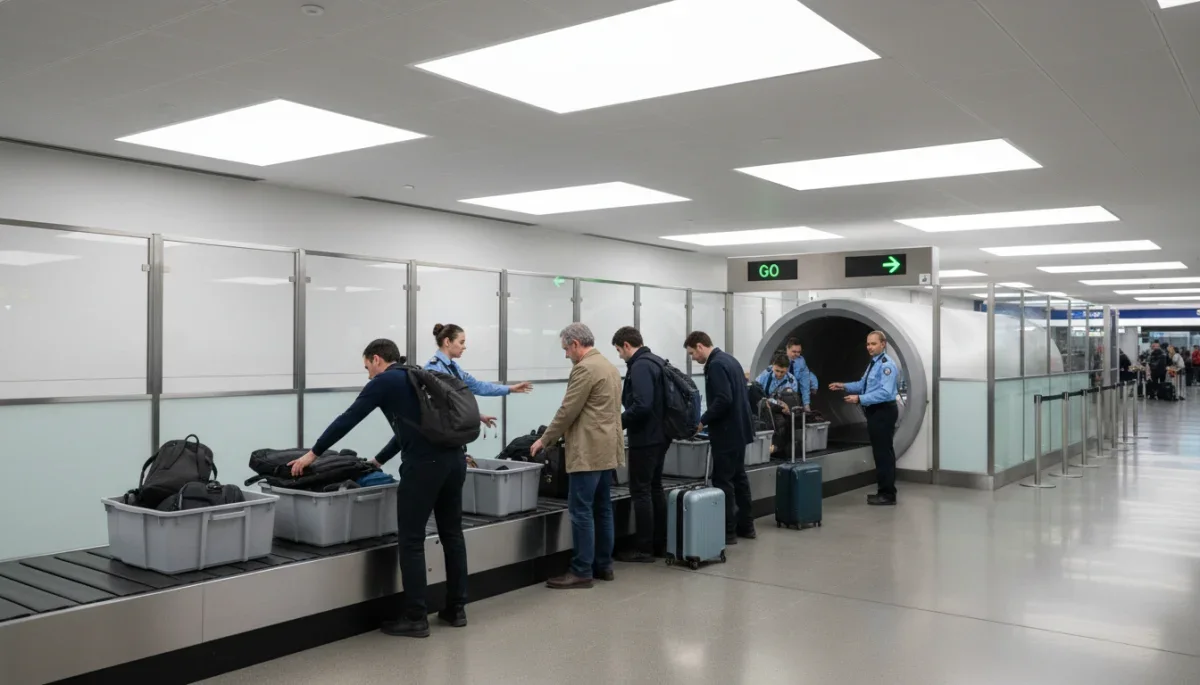
Standing in the airport security line wondering if your favorite lotion or travel corkscrew will get confiscated is an unnecessary travel headache. Having clear TSA rules explained before you start packing makes getting through the checkpoint fast and effortless. Here is your straightforward guide to what you can bring in your bags and what needs to stay behind.
TSA Rules Explained: The 3-1-1 Liquids Breakdown
The standard 3-1-1 liquids rule applies to all carry-on baggage at U.S. airports. Every liquid, aerosol, gel, cream, and paste must follow these limits:
- 3.4 ounces (100 ml) or less: Containers must be 3.4 ounces or smaller, regardless of how much liquid is left inside.
- 1 quart-sized bag: All containers must fit comfortably into one clear, resealable quart-sized plastic bag.
- 1 bag per passenger: Each traveler gets one liquids bag, which you should keep accessible for screening.
Full-size bottles over 3.4 ounces must go into your checked bags. Medically necessary liquids, prescription medications, baby formula, and breast milk are exempt from the 3.4-ounce limit, but you must declare them to a TSA officer before screening begins.
Electronics and Batteries: Where They Belong
Federal aviation rules are strict regarding electronics and power sources to prevent fire hazards. Packing them in the wrong place can hold up the security line or lead to confiscated gear.
| Item | Carry-On Bag | Checked Bag |
|---|---|---|
| Power banks and loose lithium batteries | Allowed (Required) | Prohibited |
| Laptops, tablets, and e-readers | Allowed | Allowed (Carry-on recommended) |
| Standard disposable dry-cell batteries (AA, AAA) | Allowed | Allowed |
| E-cigarettes and vape pens | Allowed (Must remain off) | Prohibited |
Always keep power banks and spare lithium batteries in your carry-on luggage. If your airline gate-checks your rollaboard suitcase, remove portable chargers before handing the bag over.
Everyday Items: What Flies and What Stays Home
Knowing the status of routine personal items saves time during your packing routine:
- Food and snacks: Solid foods like sandwiches, fresh fruit, chips, and energy bars are allowed in carry-ons. Spreads like peanut butter, hummus, and yogurt fall under the 3.4-ounce liquid limit.
- Razors: Disposable razors and safety razors with encased cartridges are permitted in carry-on bags. Loose razor blades and straight razors must go in checked luggage.
- Tools and sharp objects: Scissors with blades shorter than 4 inches from the pivot point are allowed in carry-ons. Wrenches, pliers, and screwdrivers must be 7 inches or shorter. Knives and box cutters must always be checked.
- Lighters: One standard disposable lighter is allowed in your pocket or carry-on. Torch lighters are prohibited anywhere on the plane.
Quick Takeaways
- Keep all carry-on liquids under 3.4 ounces and packed inside a single quart-sized bag.
- Store power banks, vapes, and spare lithium batteries in your carry-on, never in checked luggage.
- Verify unusual items or tools on the official TSA "What Can I Bring?" search tool before leaving home.
Frequently Asked Questions
Can I bring full-size solid deodorant through TSA security?
Yes. Standard solid stick deodorant is not considered a liquid and can be packed in any size in your carry-on. Gel, spray, or roll-on deodorants must meet the 3.4-ounce limit.
Are tweezers and nail clippers allowed in carry-ons?
Yes. Standard personal grooming items like tweezers, nail clippers, and small cuticle scissors are permitted in both carry-on and checked luggage.
Can I bring an empty water bottle through airport security?
Yes. Empty reusable water bottles of any size are allowed through security. You can fill them at a water station once you pass the checkpoint.
Smart Travel Prep
With these essential TSA rules explained, packing for your next flight is straightforward and predictable. Check your bags before leaving for the airport, keep your electronics accessible, and head over to our luggage packing checklist to prepare for your upcoming trip.